

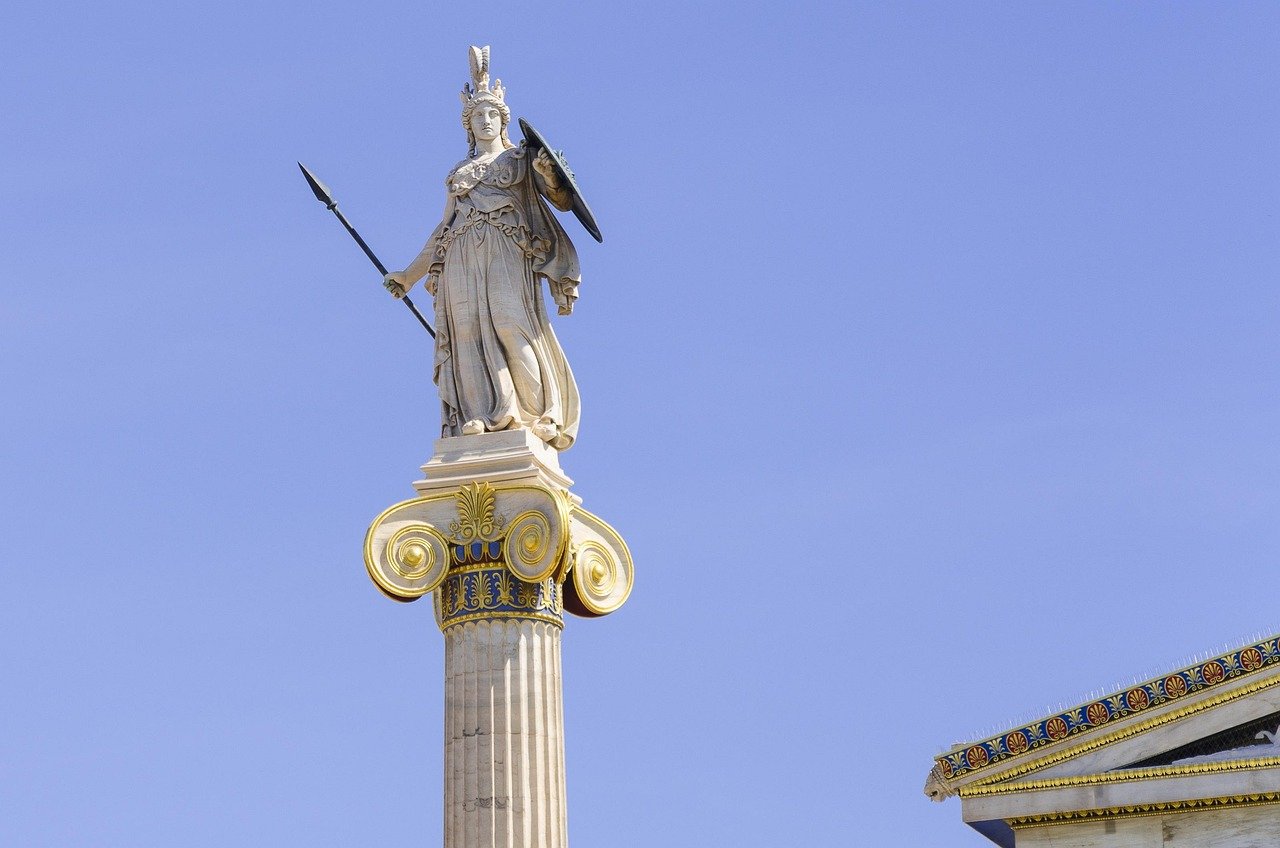
Greek Mythology: Discovering the Legends Behind the Land
Introduction: Where Myth Meets the Land
In Greece, mythology is not just a collection of stories — it is woven into the very fabric of the landscape. Every mountain, island, and spring seems to hold a tale of gods, heroes, and mythical creatures. Traveling through Greece feels like walking through an ancient storybook where history and legend coexist.
From the home of Zeus on Mount Olympus to the labyrinth of Crete and the oracle of Delphi, the land of Greece is a living museum of mythological wonders waiting to be explored.
Mount Olympus: The Throne of the Gods
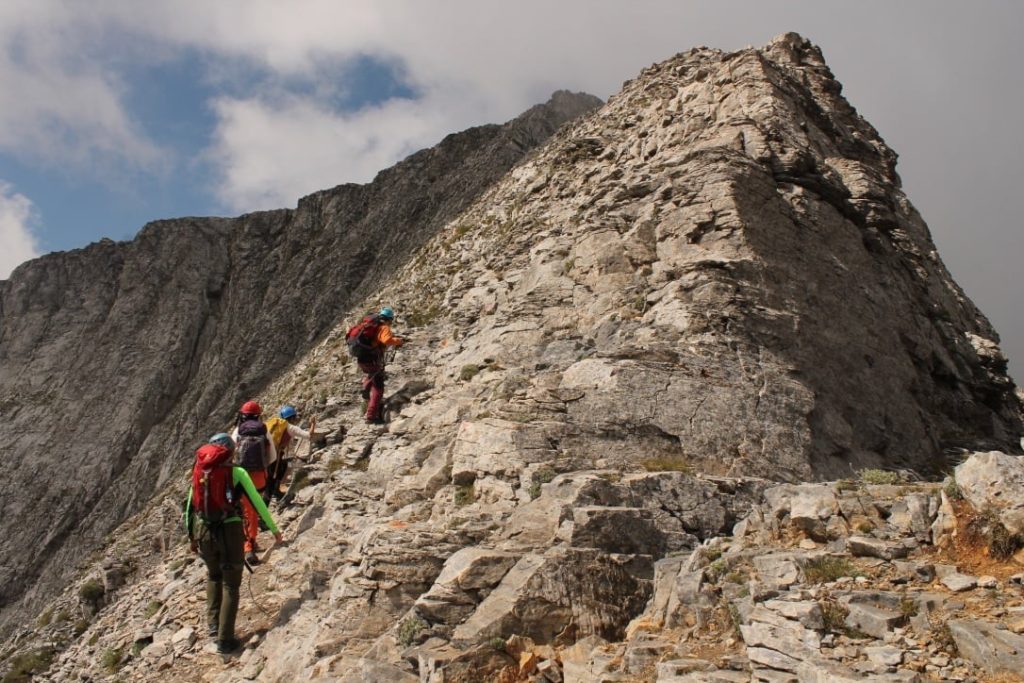
Standing majestically at 2,918 meters, Mount Olympus is Greece’s highest mountain and the legendary home of the Twelve Olympian Gods — Zeus, Hera, Poseidon, Athena, and their divine kin.
In mythology, this mountain served as the seat of power, where the gods watched over mortals and decided their fates. Today, Olympus National Park attracts hikers and mythology lovers alike, offering scenic trails and spiritual energy that feels timeless.
Highlights:
- Hike to the Plateau of the Muses and imagine the divine feasts of the gods.
- Visit the Dion Archaeological Site, an ancient sanctuary dedicated to Zeus.
- Discover the myths through local folklore in the nearby villages of Litochoro and Prionia.
Why visit: To walk where gods once ruled and enjoy some of Greece’s most breathtaking natural landscapes.
Delphi: The Oracle of Apollo
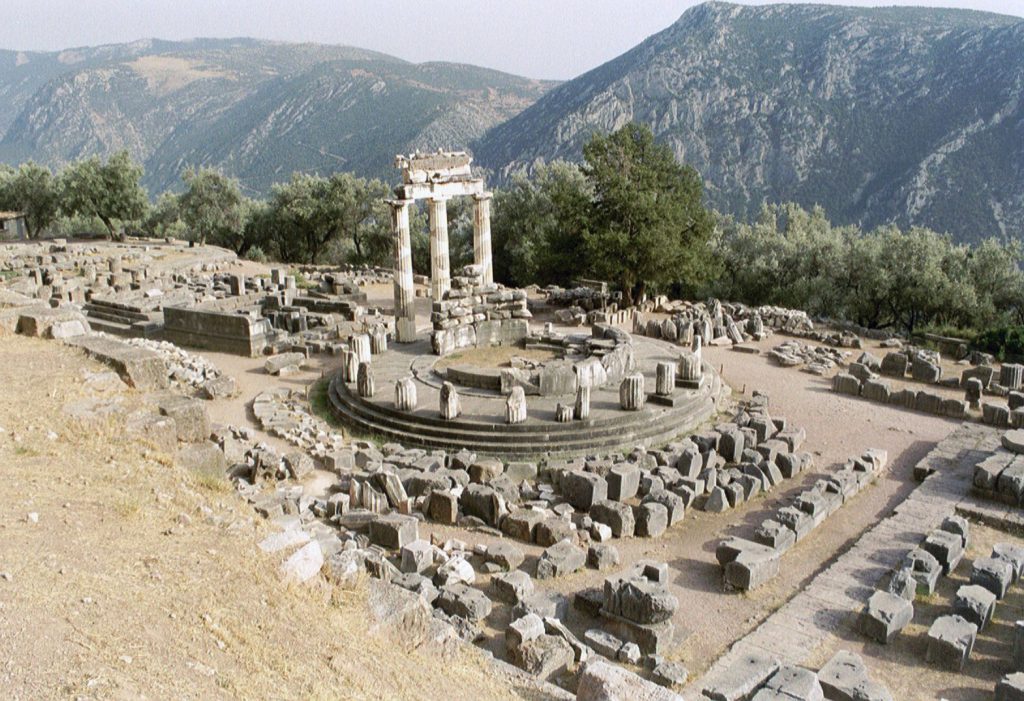
Located on the slopes of Mount Parnassus, Delphi was considered the center of the ancient world. According to mythology, Zeus released two eagles from opposite ends of the Earth, and they met at Delphi, marking it as the navel of the world.
Here stood the Temple of Apollo, home to the famous Oracle of Delphi — a priestess named Pythia who delivered cryptic messages believed to be the words of Apollo himself.
Highlights:
- Temple of Apollo: The core of the sanctuary where prophecies were given.
- The Theater and Stadium: Once hosted festivals in honor of the gods.
- Delphi Archaeological Museum: Displays statues and artifacts depicting Apollo and other deities.
Why visit: Delphi offers a rare blend of myth, spirituality, and stunning mountain views.
Crete: The Labyrinth of the Minotaur
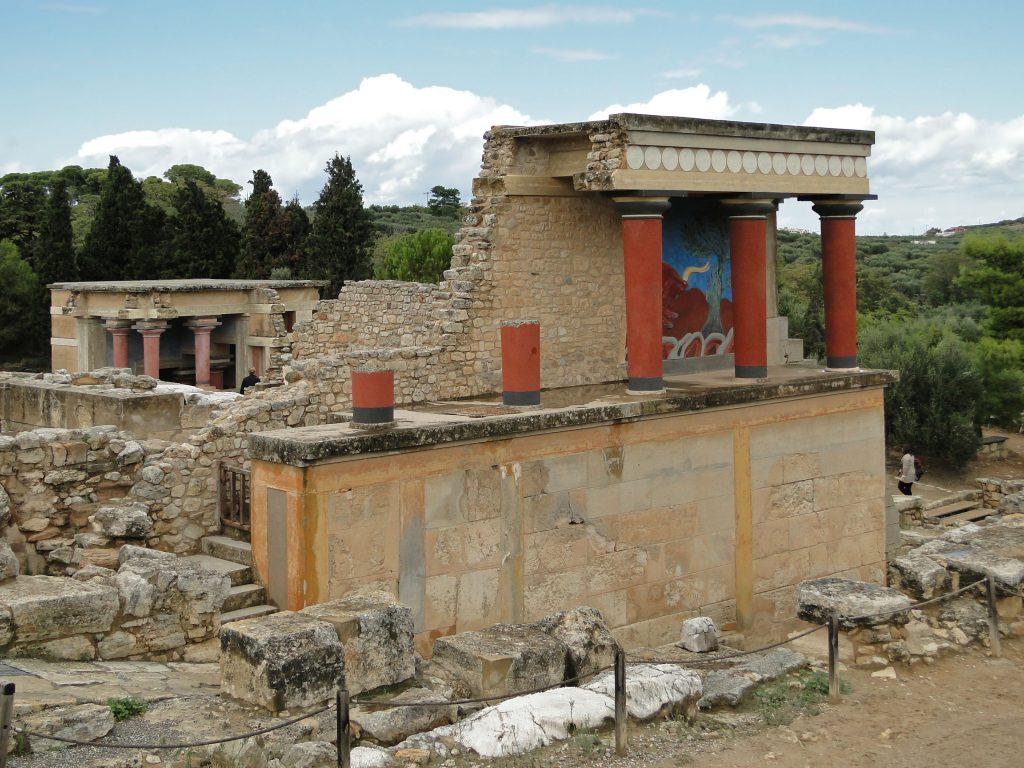
The island of Crete is central to one of the most famous Greek myths — that of King Minos and the Minotaur. The legendary Labyrinth, where the half-man, half-bull creature was kept, is said to have been inspired by the Palace of Knossos near Heraklion.
According to myth, the Athenian hero Theseus ventured into the maze to slay the Minotaur, guided by Ariadne’s thread. Today, the palace ruins reveal a complex network of rooms and corridors that match the myth’s descriptions.
Highlights:
- Palace of Knossos: Explore the frescoes and ancient architecture.
- Archaeological Museum of Heraklion: See artifacts from the Minoan civilization.
- Mythological connection: Experience how myth and archaeology intertwine.
Why visit: To witness where myth meets history in one of the oldest civilizations in Europe.
Cape Sounion: The Temple of Poseidon
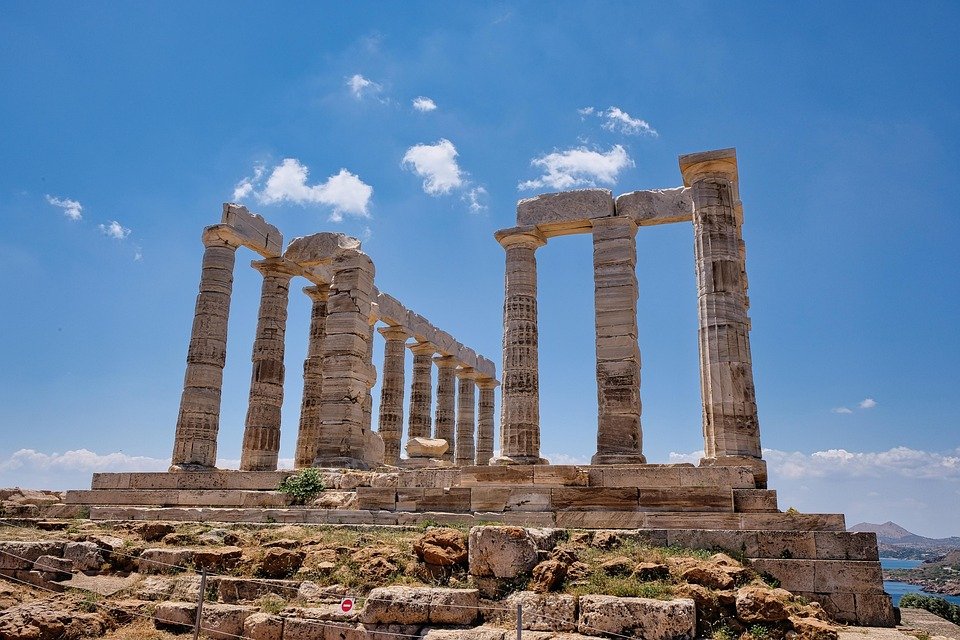
Perched dramatically on a cliff overlooking the Aegean Sea, the Temple of Poseidon at Cape Sounion is steeped in both beauty and legend. It was dedicated to the god of the sea, Poseidon, protector of sailors and fishermen.
One famous tale linked to this site is that of King Aegeus, who leapt into the sea thinking his son Theseus had perished, giving the Aegean Sea its name.
Highlights:
- Temple ruins: Marvel at the elegant Doric columns that have withstood centuries of storms.
- Sunset views: One of the most photographed spots in Greece.
- Mythic significance: A site where love, loss, and legend intertwine.
Why visit: For its mythical past, incredible sunsets, and panoramic sea views.
Thebes: Tragic Tales and Heroic Myths
The ancient city of Thebes in Central Greece is the setting for some of the darkest and most fascinating myths. It was the birthplace of Hercules (Heracles), one of Greece’s greatest heroes, and the stage for the tragic stories of Oedipus and the Seven Against Thebes.
Highlights:
- Cadmea: The acropolis of ancient Thebes.
- The Archaeological Museum of Thebes: Features artifacts from prehistoric to classical times.
- Mythic background: Learn about the Labdacid dynasty, whose cursed fate inspired Greek tragedies.
Why visit: To explore the birthplace of heroes and the setting of timeless tragedies that shaped ancient literature.
Naxos: Where Zeus Was Raised
According to myth, Zeus, the king of the gods, was raised in a cave on Mount Zas (Mount Zeus) on the island of Naxos. The island’s mythological connections extend to the story of Ariadne, who was abandoned here by Theseus before being discovered by Dionysus, the god of wine.
Highlights:
- Mount Zas Cave: Hike to the cave believed to be Zeus’s childhood home.
- Portara (Great Door): The iconic marble gateway of an unfinished temple to Apollo.
- Local legends: Many villages still preserve oral traditions connected to ancient myths.
Why visit: Naxos combines mythology, mountain adventures, and Cycladic charm.
Pelion: Land of the Centaurs
Mount Pelion, located between Volos and the Aegean Sea, is said to have been the home of the Centaurs — half-human, half-horse creatures symbolizing the duality of nature. The most famous among them, Chiron, was a wise teacher to heroes like Achilles, Jason, and Hercules.
Highlights:
- Tsagkarada and Makrinitsa villages: Traditional mountain escapes surrounded by legends.
- Mythological trails: Walking paths once believed to be used by the Centaurs.
- Local folklore: Many festivals and myths still celebrated in the area.
Why visit: A mythical mountain perfect for nature lovers, hikers, and those seeking Greece’s wilder side.
Rhodes: Helios and the Colossus

The island of Rhodes was dedicated to Helios, the sun god. According to legend, the people of Rhodes built the Colossus of Rhodes, a massive bronze statue and one of the Seven Wonders of the Ancient World, to honor their patron deity.
Though the statue no longer stands, the harbor of Rhodes Town still evokes the grandeur of this mythic past.
Highlights:
- Rhodes Old Town: A UNESCO site blending medieval and ancient influences.
- Harbor of Mandraki: The legendary site where the Colossus once stood.
- Archaeological Museum of Rhodes: Artifacts connecting myth to history.
Why visit: For its mythical associations, vibrant history, and preserved medieval charm.
Conclusion: Walking in the Footsteps of Legends
Exploring Greece through its mythology is more than sightseeing — it’s an emotional and cultural journey. From the peaks of Olympus to the caves of Naxos and the ruins of Knossos, every corner of Greece whispers ancient tales of gods, heroes, and fate.
Travelers who follow these mythological paths discover that mythology is not only part of Greece’s history — it is part of its living identity. To visit these places is to feel the power of storytelling, where the line between legend and reality fades beneath the eternal Greek sun.