

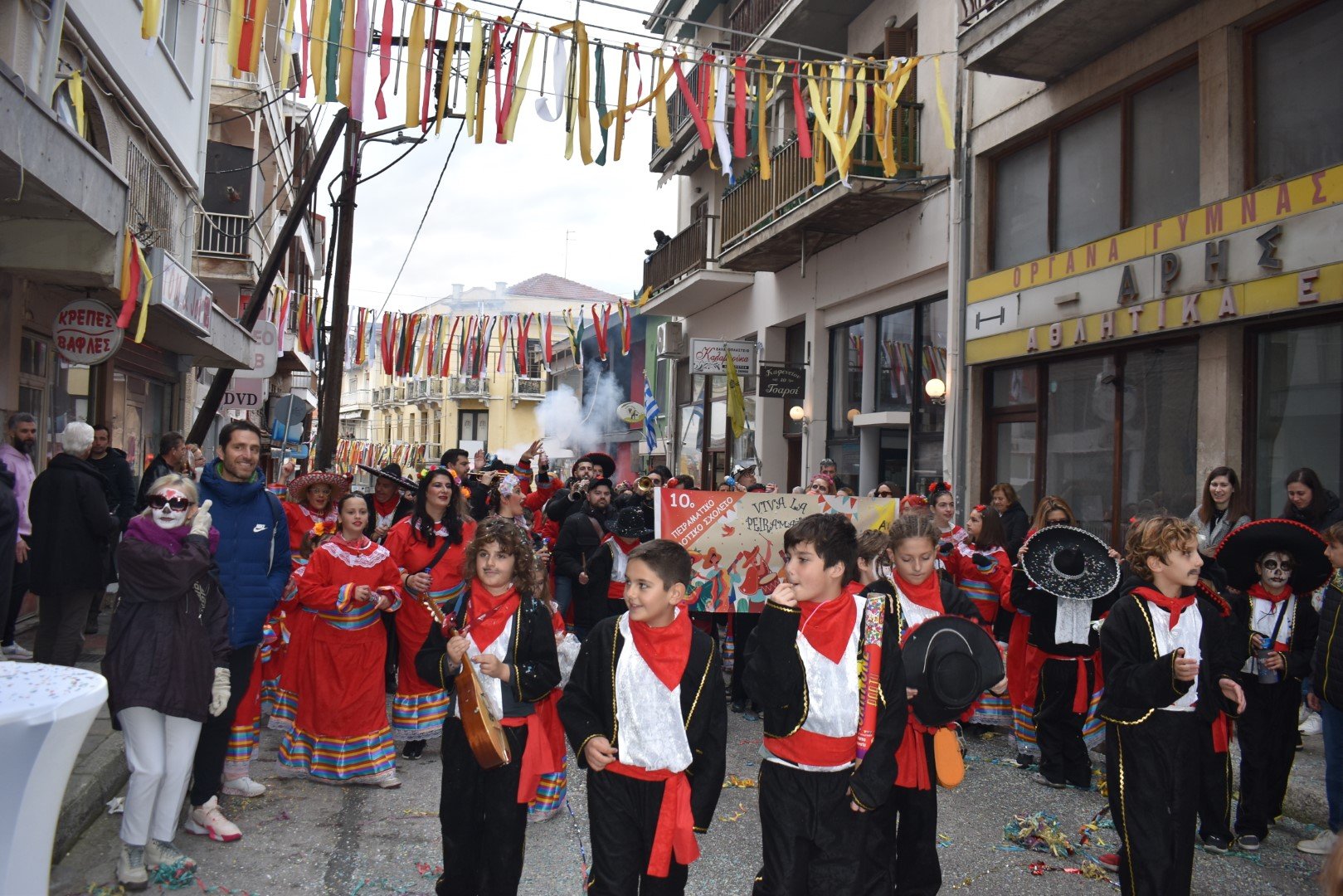
Every January, the lakeside city of Kastoria transforms into one of Greece’s liveliest and most atmospheric winter destinations. Ragoutsaria, the city’s iconic three-day carnival, takes place annually from January 6 to January 8 and draws thousands of visitors who come to experience a celebration deeply rooted in tradition. With centuries-old customs, vibrant costumes, lively brass bands, and a festive spirit that fills every neighborhood, Ragoutsaria stands as one of the most unique cultural events in northern Greece.
This winter festival is more than a carnival it is a bridge between ancient rituals, local identity, and modern celebration. For travelers seeking an authentic cultural experience during the winter months, Ragoutsaria offers an event filled with energy, history, and warm hospitality.
Οrigins of Ragoutsaria: a blend of ancient and local customs
Ragoutsaria’s roots stretch back to ancient Dionysian festivals that honored the god of wine, revelry, and rebirth. These early celebrations welcomed the new year with music, dance, and disguises meant to chase away evil spirits and symbolize renewal. Over the centuries, these customs blended with local Macedonian traditions and evolved into the modern Ragoutsaria.
The name itself is believed to come from the word “ragos,” meaning tattered or ragged clothing, reflecting the tradition of wearing old or mismatched garments. Historically, participants wore disguises to ensure anonymity, encouraging a sense of freedom, humor, and joyful mischief. Today, while costumes have become more colorful and elaborate, the spirit of playful transformation remains at the heart of the festival.
Τhree days of celebration across the city
Ragoutsaria unfolds over three festive days, each with its own rhythms and traditions. The entire city becomes part of the celebration, with groups of revelers, known as bouloukia, roaming the streets, playing music, dancing, and visiting homes, cafes, and taverns.
January 6: Epiphany and the beginning of the festival
The festival begins immediately after the Epiphany ceremony, when the city slowly transitions from religious customs to carnival spirit. Brass bands start filling the air with energetic melodies, and the first groups begin to form. Streets, squares, and lakeside walkways come alive as locals and visitors join the moving crowds.
January 7: the most traditional day
The second day is often considered the most authentically traditional. Many bouloukia dress in costumes inspired by folklore or older customs, while others choose humorous or modern themes. Music continues throughout the day, and it is common for groups to visit friends and family, enjoying local dishes, wine, and tsipouro.
January 8: the grand parade
The highlight of Ragoutsaria is the grand parade on January 8. Colorful groups from all over the city and sometimes from other regions gather to march through the streets accompanied by live bands. Costumes range from elaborate handmade outfits to satirical themes inspired by current events. The parade ends with a massive celebration in the city center, where dancing and music continue late into the night.
Music at the heart of the celebration
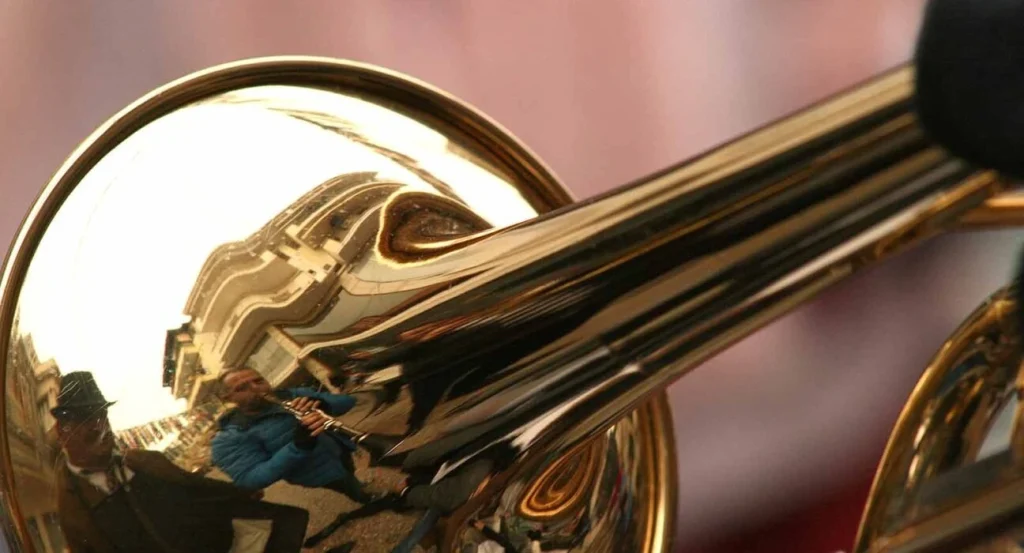
If there is one element that defines Ragoutsaria, it is music. Traditional Macedonian brass bands, known for their fast rhythms and powerful sound, lead most processions. Their distinctive melodies echo across the city, inviting everyone to join the dance.
Many bouloukia hire their own bands, resulting in dozens of musical groups roaming the streets simultaneously. The sound becomes a joyful symphony that blends into the city’s stone alleys, neoclassical mansions, and lakeside views. The combination of winter cold and warm music creates a unique atmosphere visitors never forget.
Food, hospitality and local flavors
No festival in Greece is complete without food, and Ragoutsaria is no exception. Throughout the city, taverns and family homes welcome guests with comforting winter dishes. Traditional Kastorian cuisine offers hearty flavors perfect for the season: meats cooked in rich sauces, pies filled with local ingredients, and warming soups.
Wine and tsipouro flow generously, maintaining the celebratory mood and strengthening the bond between locals and visitors. Hospitality is central to Ragoutsaria; it is common for groups to invite strangers to join them, share food, and celebrate together.
Costumes and creativity
The costumes at Ragoutsaria are a spectacle on their own. From masks and traditional garments to humorous characters and imaginative themes, creativity is everywhere. Some groups prepare their outfits months in advance, while others embrace the tradition of wearing old, mismatched clothing for a more spontaneous carnival look.
Costumes often reflect current events, local humor, or cultural references, adding a playful and satirical layer to the celebration. Visitors are encouraged to dress up as well, blending seamlessly into the festive atmosphere.
Why Ragoutsaria is an unforgettable experience
Ragoutsaria stands out because it combines authenticity, history, and joyful celebration. Unlike many large-scale carnivals, this festival remains deeply connected to community traditions. The strong sense of identity, the warmth of the locals, and the immersive nature of the festivities make it an unforgettable experience for travelers.
The winter setting adds another layer of charm misty mornings by the lake, snow-covered rooftops, and cozy taverns create a magical backdrop for the celebrations. Visitors experience not only the festival but also the beauty of Kastoria during the quiet and atmospheric winter season.
An invitation to experience Kastoria’s winter magic
For those seeking a winter escape filled with culture, music, and authentic Greek tradition, Ragoutsaria in Kastoria is a celebration not to be missed. Whether you come for the parade, the music, the local cuisine, or simply to be part of the joyful crowds, the experience stays with you long after the festivities end.