
About Greece
Your easy guide to the best holiday in Greece
Follow us
About Greece
A Beloved Destination
Greece stands among the world’s most beloved travel destinations — a land where ancient history meets Mediterranean beauty, and where every region tells its own story. Year after year, millions of visitors arrive drawn by its timeless charm, breathtaking landscapes, and the warmth of its people. It’s a country that captures both the imagination and the heart, offering far more than the classic postcard scenes of whitewashed houses and blue-domed churches.
With a population of just over 10 million, Greece welcomes several times that number in annual visitors. Its popularity is no coincidence: from world-renowned archaeological sites to pristine beaches, from lively island towns to peaceful mountain villages, Greece offers endless ways to experience its culture and natural beauty. Most visitors come seeking sunshine and sea, yet leave with memories of flavors, traditions, and moments that reveal a much deeper connection with the land and its people.
The Rhythm of the Tourist Season
Tourism in Greece follows the rhythm of its Mediterranean climate. The high season runs from April through October, with July and August being the busiest months. During this time, the islands of Crete, the Cyclades, the Dodecanese, and the Ionian Sea come alive with color and energy. Visitors wander through cobbled lanes filled with bougainvillea, relax by crystal-clear waters, or dance the night away under starlit skies.
Meanwhile, on the mainland, regions like the Peloponnese, Epirus, and northern Greece invite travelers to discover a quieter, more authentic side of the country — places where ancient ruins stand beside stone villages and olive groves stretch to the horizon. While more than 90% of visitors arrive from within Europe, Greece’s appeal has increasingly reached travelers from across the globe. Each year, more people from Asia, North America, and beyond choose Greece not only for its beauty but also for its reputation as a safe, welcoming, and culturally rich destination.

Diversity in Architecture and Tradition
What often surprises first-time visitors is the sheer variety found within this relatively small country. The Greece of popular imagination — white houses overlooking deep-blue seas — represents only one facet of its diverse identity. Travel north or inland, and you’ll encounter completely different landscapes and traditions.
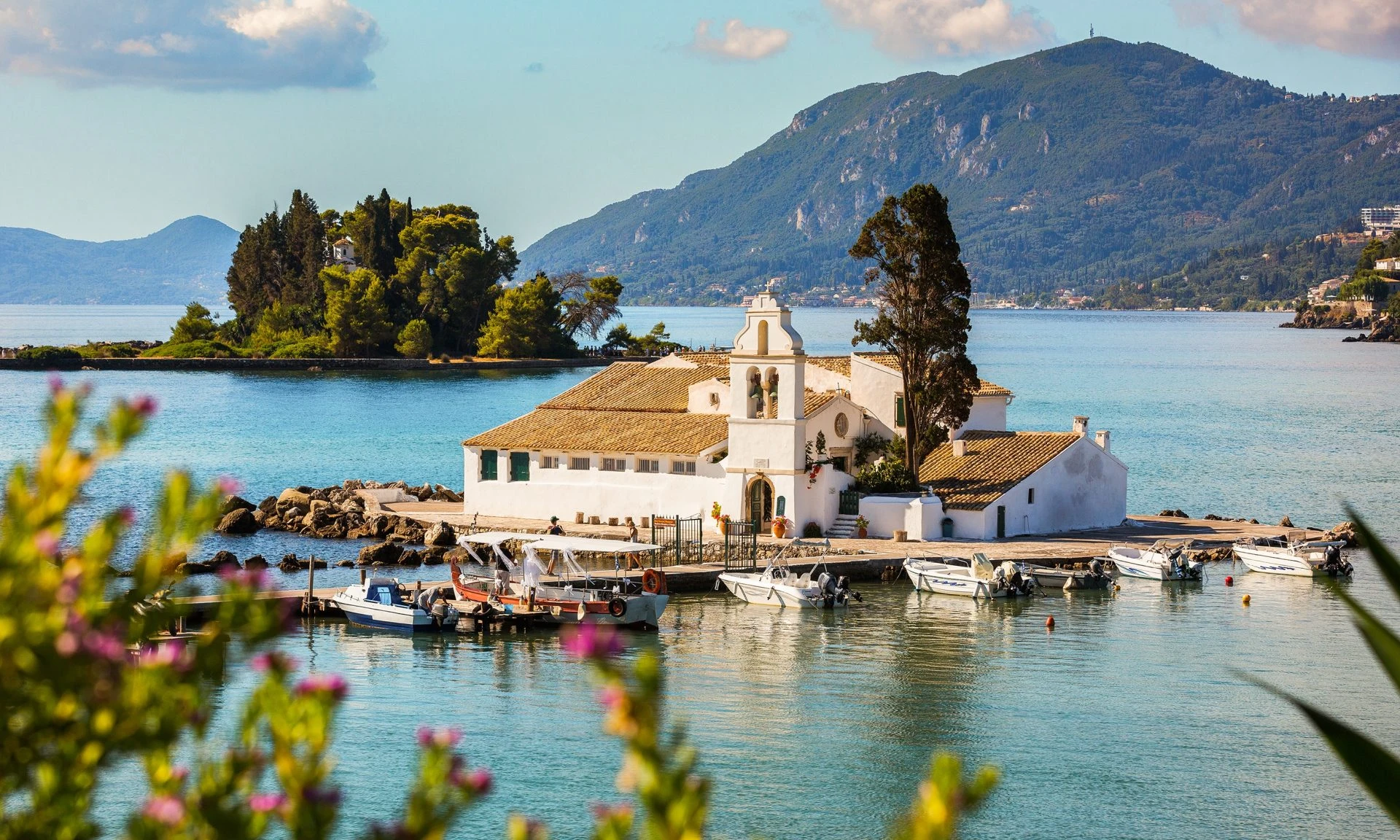
The architecture alone tells stories of centuries of influence and adaptation: neoclassical mansions in Nafplio and Syros, Venetian elegance on Corfu, Ottoman-style buildings in Grevena and Kozani, and minimalist Cycladic forms on islands like Paros and Santorini. Each region has absorbed elements from its past, creating a unique visual mosaic that mirrors its history and geography.
A Landscape of Endless Variety
Nature in Greece is just as diverse. The coastline stretches for more than 13,000 kilometers — one of the longest in the world — yet beyond its beaches rise mountains that dominate the horizon. From the snowcapped peaks of Mount Olympus to the lush forests of northern Macedonia and the rolling vineyards of central Greece, the landscape constantly shifts.
Olive groves blanket the southern plains, while cypress and pine forests cover the northern slopes. The combination of sea and mountain makes Greece not just a summer destination but a year-round haven for outdoor enthusiasts — hikers, sailors, and skiers alike.
History at Every Turn
The historical legacy of Greece is, of course, legendary. Ancient ruins, Byzantine monasteries, medieval castles, and neoclassical towns form a seamless continuum that spans thousands of years. Visitors can walk in the footsteps of philosophers in Athens, explore the palaces of Minoan kings in Crete, admire Meteora’s monasteries perched high on rock pillars, or wander through the old town of Rhodes — a living museum of medieval Europe.
Yet history in Greece is never confined to the past; it lives in daily life, in traditions, festivals, and even in language and art. Every region carries echoes of its story — from the myths of the ancient gods to the echoes of Byzantine chants and island folklore.
Culture, Cuisine and Everyday Life
Cultural experiences play an equally vital role in understanding the Greek way of life. Local festivals, known as panigyria, bring entire communities together through music, dance, and food. Greek cuisine, shaped by centuries of Mediterranean tradition, is another window into the country’s soul: olive oil, fresh seafood, ripe vegetables, and simple but profound flavors shared around a table.
Whether in a seaside taverna or a mountain village café, meals are as much about connection as they are about taste. From island wines and local cheeses to regional specialties such as moussaka, dolmades and souvlaki, Greek food celebrates simplicity and freshness — always paired with warmth and hospitality.
The Spirit of Philoxenia
Perhaps the most enduring impression for visitors, however, is the genuine hospitality that defines Greece. Known since antiquity as philoxenia — literally “friendship to strangers” — this spirit of warmth continues to define the modern Greek experience. From small island guesthouses to bustling city hotels, travelers are welcomed not merely as customers but as guests, often leaving with personal stories and friendships that last long after the journey ends.
A Journey to Remember
To explore Greece is to embark on a journey through contrasts — between the ancient and the modern, the mountains and the sea, the familiar and the unexpected. It’s a destination that rewards curiosity, inviting visitors to look beyond the surface and discover the richness of its regions, traditions, and landscapes.
Whether you come for history, nature, cuisine, or simply to unwind under the Mediterranean sun, Greece will meet you with open arms — and inspire you to return again and again.