
Zagorochoria Greece
Your easy guide to the best holiday Zagorochoria
Follow us
Zagorochoria – The Hidden Stone Villages of Epirus
Nestled in the rugged mountains of Epirus, in northwestern Greece, the Zagorochoria (or Zagori villages) form one of the country’s most enchanting and authentic regions. Comprising 46 traditional stone-built settlements scattered across the slopes of Mount Tymfi and the Vikos–Aoos National Park, this area is a living museum of nature, architecture, and culture. The name “Zagori” comes from the Slavic words za and gora, meaning “beyond the mountains,” perfectly describing its remote yet magical character.
A Landscape of Breathtaking Beauty
The Zagori region is defined by its dramatic landscapes — deep gorges, lush forests, alpine meadows, and crystal-clear rivers. The jewel of the area is the Vikos Gorge, one of the deepest canyons in the world, cutting through the limestone mountains and offering breathtaking views from the viewpoints of Oxya, Beloi, and Vikos village. The gorge is part of the Vikos–Aoos National Park, a protected area renowned for its biodiversity. Here, travelers encounter rare plant species, wildflowers, and even elusive animals such as bears and eagles.
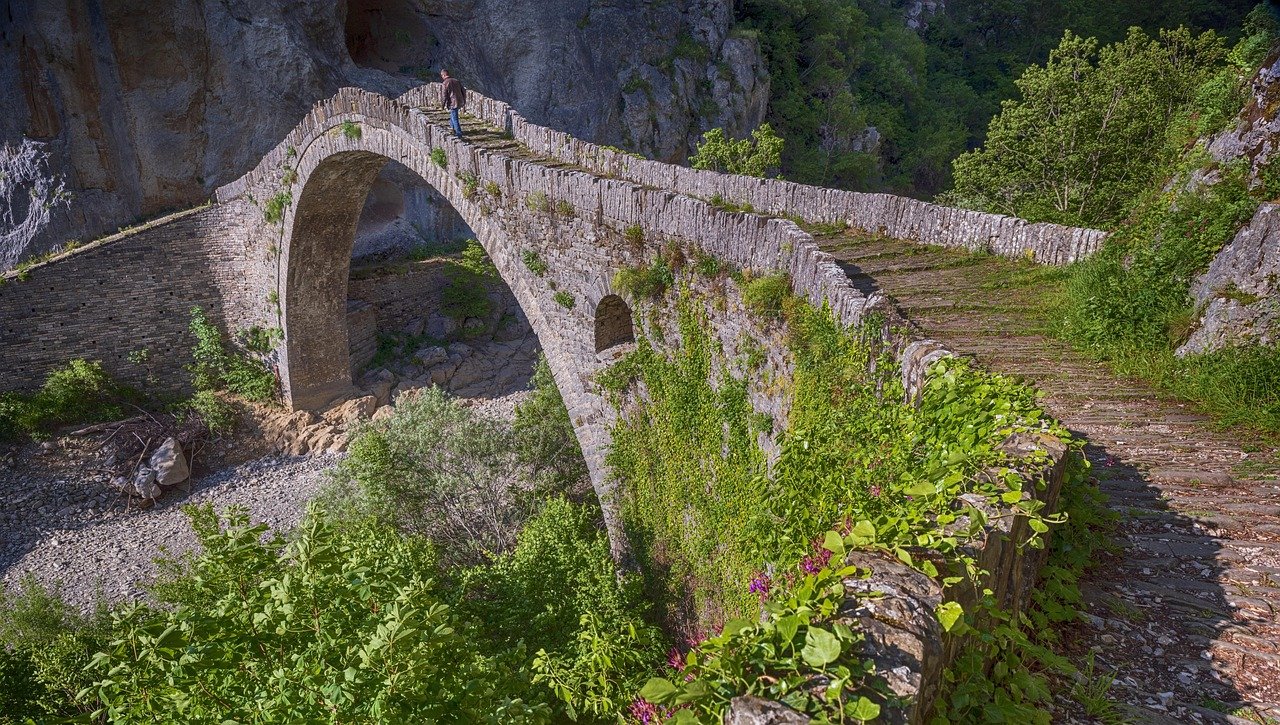
Rivers such as Voidomatis run through the region, with turquoise waters that remain cold and clear throughout the year. The river’s banks are ideal for hiking, rafting, and photography, while its arched stone bridges — built centuries ago to connect the isolated villages — stand as timeless testaments to human ingenuity and the craftsmanship of Epirus’ legendary stonemasons.
Architecture and Timeless Traditions
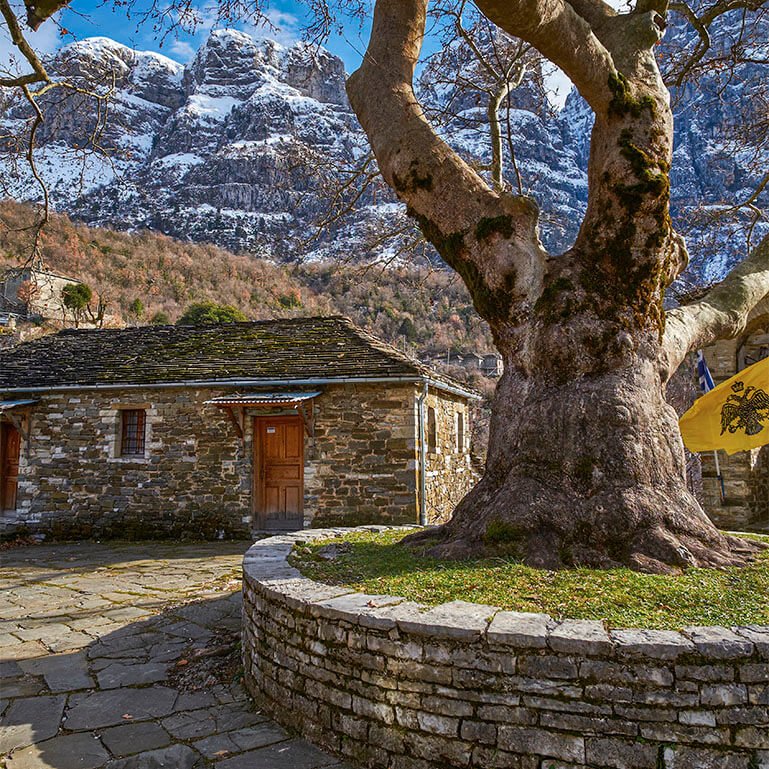
Every village in Zagorochoria has preserved its distinct charm and architectural integrity. Built mostly in the 18th and 19th centuries, these settlements feature grey stone houses, slate roofs, cobbled paths, and elegant stone bridges, all blending harmoniously with their mountainous surroundings. Villages such as Papigo, Monodendri, Dilofo, Koukouli, Kapesovo, Vitsa, and Megalo Papigo are among the most picturesque.
Many of these villages are perched on steep hillsides or nestled in valleys, giving visitors the feeling of stepping into another time. Central squares shaded by centuries-old plane trees serve as the heart of village life, where traditional tavernas offer local dishes — wild mushrooms, handmade pies, goat or lamb stews, and local cheeses. In the evenings, the warm glow of fireplaces and the scent of pine smoke fill the crisp mountain air.
Hiking, Adventure, and Nature Exploration
Zagori is a paradise for nature lovers and hikers. The Vikos Gorge Trail, stretching from Monodendri to Vikos village, is one of Greece’s most famous treks, rewarding adventurers with awe-inspiring scenery and moments of complete solitude in nature. For more experienced hikers, the ascent to Drakolimni (Dragon Lake), a small alpine lake on Mount Tymfi, offers a surreal landscape with views extending to Albania on clear days.
During winter, snow often covers the rooftops of the villages, creating a fairytale atmosphere. Spring and autumn are equally charming, with blooming flowers or golden leaves transforming the scenery into an ever-changing masterpiece. Activities like horseback riding, canyoning, birdwatching, and mountain biking attract visitors seeking outdoor adventure combined with tranquility.
Cultural Heritage and Local Life
Despite their isolation, the Zagorochoria villages have a rich cultural heritage. During Ottoman rule, the area enjoyed relative autonomy, allowing education and craftsmanship to flourish. The Zagori stonemasons became famous throughout Greece and the Balkans, building bridges, churches, and mansions that still stand today.
Many monasteries and churches, such as the Monastery of Agia Paraskevi near Monodendri, cling to cliff edges, offering panoramic views of the gorge below. Small museums and restored mansions throughout the villages tell stories of a once-prosperous rural life.
Local festivals, or panigyria, remain central to village culture. These celebrations, featuring traditional Epirus music played on clarinet and lute, bring residents and visitors together for nights of dance, food, and friendship.
Sustainable Tourism and Warm Hospitality
In recent decades, the Zagorochoria have become a model for eco-tourism and sustainable development in Greece. Many of the old houses have been carefully restored into guesthouses, boutique hotels, and cozy inns, maintaining the traditional architecture while offering modern comfort. These accommodations often serve breakfast made from local ingredients: mountain honey, homemade jams, pies, and herbs gathered from the surrounding hills.
The local people, proud of their heritage, welcome visitors with genuine warmth and hospitality. Whether one stays in the lively Monodendri or the quiet corners of Koukouli, every experience in Zagori is marked by authenticity and connection with nature.
Exploring Beyond the Villages
The region is also a perfect base for exploring Ioannina, the nearest city, located about 45 minutes away. With its lakeside charm, Ottoman castle, and vibrant cultural scene, Ioannina complements the mountain tranquility of Zagori with a touch of urban life. From here, visitors can also explore the stone bridges of Kipi and Plakidas, or continue toward the nearby Metsovo and Tzoumerka regions, which share the same timeless mountain atmosphere.
A Place to Reconnect
Zagorochoria is more than a travel destination; it’s a journey into Greece’s soul. The region embodies harmony between nature and human tradition — a rare example of how remote communities can preserve their identity while embracing visitors from around the world. Whether you come for hiking, photography, history, or simply to breathe the pure mountain air, the Zagorochoria will leave a lasting impression.
Here, time moves differently. The mountains echo with silence, the rivers tell ancient stories, and every stone bridge leads to a discovery. Once you’ve experienced the serene beauty of Zagori, it’s impossible not to long for its peaceful rhythms again.